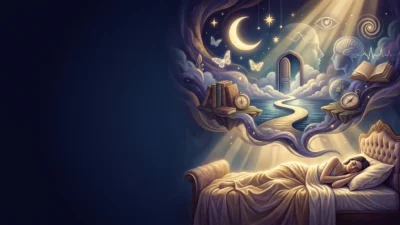

Have you ever dreamed about the same situation, person, place, or feeling again and again? A recurring dream can be confusing, especially when it feels so realistic that you wake up wondering why it keeps happening.
Recurring dreams are often connected to unresolved emotions, repeated life experiences, personal fears, or important changes. Your mind may be returning to a familiar dream theme because something in your waking life still needs attention.
In this article, we’ll explore recurring dream meaning, its symbolism, spiritual meaning, psychological interpretation, and the messages your subconscious may be trying to communicate.
Quick Answer: What Does a Recurring Dream Mean?
The meaning of a recurring dream usually depends on the dream’s details and how you feel during it. In general, repeated dreams may symbolize an unresolved problem, emotional stress, a persistent desire, or a life situation that continues to influence your thoughts.
A recurring dream does not automatically predict the future or mean something bad will happen. It may simply reflect a familiar emotional pattern that your mind keeps processing.
For example, repeatedly dreaming about being chased may reflect feelings of pressure or avoidance. Dreaming about an old home may represent memories, comfort, or a longing for the past.
The most important clue is often not the dream itself, but the emotion that remains after you wake up.
Recurring Dream Symbolism
Recurring dreams can carry different symbolic meanings depending on the images, people, and situations involved. The same dream may also change meaning as your life changes.
Some common forms of recurring dream symbolism include:
- Repeated places: May represent familiarity, memories, or a part of your life you continue to revisit.
- Repeated people: Can symbolize emotional connections, unresolved conversations, or qualities associated with that person.
- Repeated danger: May reflect fear, pressure, or a sense of vulnerability.
- Repeated failure: Can represent self doubt, perfectionism, or anxiety about an important responsibility.
- Repeated journeys: May symbolize personal growth, uncertainty, or a transition in life.
- Repeated emotional experiences: May point to feelings that have not yet been fully understood or expressed.
The symbolism is personal. A recurring dream about water might represent peace to one person and emotional overwhelm to another.
Instead of relying only on traditional dream dictionaries, consider what the dream symbol means in your own life.
Spiritual Meaning of Recurring Dreams
From a spiritual perspective, recurring dreams are sometimes viewed as invitations to reflect, grow, or pay attention to an important part of your life.
Some spiritual traditions believe that repeated dreams may carry guidance, warnings, or messages from the deeper self. However, there is no universal spiritual meaning that applies to every recurring dream.
The spiritual meaning of recurring dreams may include:
A Call to Self Reflection
A repeated dream may encourage you to examine your choices, relationships, beliefs, or emotional habits.
For example, dreaming repeatedly about a closed door might inspire you to think about an opportunity you have avoided or a chapter of life you have not fully accepted.
A Symbol of Personal Growth
Recurring dreams can appear during periods of change. You may be leaving behind an old identity, starting a new relationship, changing careers, or learning to handle emotions differently.
The dream may seem similar each time, but your reaction to it can gradually change.
An Invitation to Find Inner Peace
If the same frightening dream returns, its spiritual symbolism may encourage you to seek emotional balance, forgiveness, or acceptance.
This does not mean the dream is a supernatural warning. It may simply be a meaningful opportunity to understand yourself better.
Psychological Interpretation of Recurring Dreams
Psychologically, recurring dreams are often understood as reflections of repeated emotional experiences, concerns, or thought patterns.
Dreams can incorporate memories, emotions, and everyday experiences. When a particular concern remains important, similar dream themes may appear more than once.
Unresolved Emotions
A recurring dream may develop around an emotion that has not been fully processed.
You might repeatedly dream about an argument because you still feel hurt, guilty, misunderstood, or angry about something in your waking life.
The dream may not be about the exact event. Instead, it may express the emotional experience associated with it.
Stress and Anxiety
Repeated dreams can occur during stressful periods. Work pressure, relationship difficulties, financial worries, and major decisions may influence dream content.
For example, recurring dreams about missing a train or arriving late may reflect concerns about responsibility, time, or missing an opportunity.
Familiar Thought Patterns
Your mind may return to familiar dream scenarios because they are connected to habits of thinking.
If you frequently worry about making mistakes, you might repeatedly dream about failing an exam, losing something important, or being unprepared.
Emotional Processing
Dreams may help the mind process memories and emotions during sleep. The exact role of recurring dreams is not fully understood, but repeated dream content can be useful for personal reflection.
A dream should not be treated as a diagnosis. If recurring nightmares are disturbing your sleep or affecting your daily life, speaking with a qualified mental health professional may help.
Common Recurring Dream Scenarios and Their Meanings
Recurring dreams can involve almost anything. The following interpretations are possibilities rather than fixed rules.
Recurring Dream About One Person
Dreaming about the same person repeatedly may symbolize an emotional connection, a memory, or a quality you associate with that individual.
If the person is an ex partner, the dream may reflect unresolved feelings, memories, or a current relationship that reminds you of the past.
If the person is a family member, the dream may relate to belonging, responsibility, protection, or family expectations.
The important question is: What does this person represent to you?
Recurring Dream About Many People
Repeatedly dreaming about crowds, groups, or many unfamiliar people may symbolize social pressure, belonging, or feeling overwhelmed by other people’s expectations.
A friendly crowd may represent connection and support, while a hostile crowd may reflect fear of judgment or rejection.
If you repeatedly dream about being surrounded by people but feeling alone, consider whether you need more emotional support in waking life.
Recurring Dream About a Baby
A recurring dream about a baby may symbolize new beginnings, vulnerability, responsibility, or something in your life that needs care.
It might relate to a new project, a developing relationship, a personal goal, or a part of yourself that feels fragile.
If the baby is happy and healthy, the dream may reflect hope and growth. If the baby is crying or in danger, it may symbolize anxiety about protecting something important.
Recurring Dream About Someone Who Has Died
Repeated dreams about a deceased person can be emotionally powerful.
They may reflect grief, love, memories, unfinished conversations, or the continuing importance of that person in your life.
In spiritual traditions, some people interpret these dreams as meaningful visits or messages. Others understand them as part of the natural grieving process.
There is no reliable way to determine that a dream is a supernatural communication. What matters is the personal meaning and emotional impact of the experience.
Recurring Dream About Being Attacked
A recurring dream about being attacked may symbolize vulnerability, fear, conflict, or feeling emotionally threatened.
The attacker could represent a person, situation, or internal fear rather than a literal danger.
If you repeatedly dream about being attacked by someone you know, consider whether you feel unsafe, pressured, criticized, or unable to express yourself around that person.
Recurring Dream About Being Chased
Being chased is one of the most common recurring nightmare themes.
This dream may symbolize avoidance, pressure, fear, or a problem you feel unable to face.
The meaning can change depending on what is chasing you. A person may represent conflict, an animal may symbolize instinctive fear, and an unknown figure may reflect a vague concern.
Ask yourself whether there is something in your waking life that you keep postponing or avoiding.
Recurring Dream About Holding Something
Repeatedly dreaming about holding a baby, animal, object, or person may symbolize attachment, responsibility, protection, or a desire for control.
Holding something precious may reflect love and care. Holding something heavy may represent an emotional burden.
If you repeatedly hold something but cannot put it down, consider whether you are carrying a responsibility that has become difficult to release.
Recurring Dream About a Friendly Person or Animal
Not all recurring dreams are frightening.
A repeated dream about a friendly dog, peaceful animal, supportive person, or beautiful place may symbolize comfort, companionship, trust, or emotional safety.
These dreams may reflect a desire for reassurance or a connection to positive memories.
A recurring pleasant dream can also remind you of qualities you want to develop, such as kindness, courage, patience, or confidence.
Positive vs Negative Recurring Dream Meanings
The emotional tone of a dream can provide useful clues. However, a frightening dream does not necessarily have a negative message, and a pleasant dream does not always predict something positive.
| Recurring Dream Experience | Possible Positive Meaning | Possible Challenging Meaning |
| Being chased | Motivation to face a problem | Avoidance, pressure, or fear |
| Finding a familiar place | Comfort, stability, or belonging | Living too much in the past |
| Holding a baby | New beginnings and care | Anxiety about responsibility |
| Meeting a deceased person | Love, memory, and emotional connection | Grief or unfinished feelings |
| Being attacked | Recognizing the need for boundaries | Feeling vulnerable or threatened |
| Flying repeatedly | Freedom, confidence, and imagination | Escaping responsibilities |
| Missing an important event | Awareness of priorities | Fear of failure or disappointment |
| Returning to school | Learning and personal growth | Performance anxiety or self doubt |
Use this table as a starting point for dream interpretation, not as a strict prediction of what your dream means.
Cultural and Biblical Interpretations of Recurring Dreams
Recurring dreams have been interpreted in many cultures throughout history. Some traditions view dreams as sources of spiritual reflection, while others understand them as symbolic experiences connected to daily life.
In some cultural beliefs, repeated dreams are considered important because they return with a familiar message or emotional theme.
From a biblical perspective, dreams sometimes appear as meaningful experiences in which people receive guidance, warnings, or symbolic visions. For example, the biblical story of Joseph includes dreams that play an important role in the narrative.
However, the Bible does not provide a universal interpretation for every recurring dream. A repeated dream should not automatically be treated as a divine message.
If you approach dreams from a religious perspective, consider your beliefs, the dream’s context, and the guidance of a trusted spiritual advisor.
It is also important to avoid assuming that every recurring nightmare is a sign of punishment, danger, or spiritual attack.
What Is Your Recurring Dream Trying to Tell You?
A recurring dream may be encouraging you to pay attention to an area of life that feels emotionally important.
The subconscious message could relate to:
- A problem you have been avoiding.
- A relationship that needs attention.
- A fear that continues to influence your decisions.
- A personal goal that you have neglected.
- A memory that still affects your emotions.
- A need for rest, reassurance, or emotional support.
- A transition that feels uncertain or difficult.
For example, if you repeatedly dream about being late, the dream may encourage you to examine how you manage time or pressure.
If you repeatedly dream about losing someone, it may reflect fear of change, separation, or emotional insecurity.
The best interpretation is the one that connects the dream to your actual experiences without forcing a meaning that does not fit.
How to Interpret Recurring Dreams
Understanding recurring dream meaning becomes easier when you look for patterns rather than focusing on one dream image.
1. Record the Dream Immediately
Keep a dream journal beside your bed. Write down what happened, who appeared, where you were, and how you felt.
Even a few sentences can help you recognize repeated details.
2. Identify the Main Emotion
Ask yourself whether the dream made you feel:
- Afraid
- Happy
- Trapped
- Excited
- Guilty
- Loved
- Confused
- Relieved
The emotion may be more meaningful than the setting.
3. Compare the Dream With Your Life
Think about what was happening in your life when the recurring dream first appeared.
Did you experience a major change, relationship problem, stressful event, or important decision?
Look for connections without assuming that every dream has one specific cause.
4. Notice What Changes
Does the dream end differently each time? Are you becoming more confident, more frightened, or more capable of responding?
Changes in your dream reactions may reflect changes in how you handle emotions in waking life.
5. Consider Your Personal Associations
A house might symbolize safety to one person and family conflict to another.
A snake might represent fear, transformation, or wisdom, depending on your experiences and beliefs.
Your personal associations should guide your interpretation.
6. Reflect on What You Need
Ask yourself:
“What is this dream making me feel?”
“What situation in my life feels similar?”
“What would help me feel more secure or at peace?”
These questions can turn recurring dreams into opportunities for self awareness.
When Should You Be Concerned About Recurring Dreams?
Recurring dreams are common and are not necessarily a sign of a problem.
However, repeated nightmares may deserve attention if they:
- Frequently interrupt your sleep.
- Cause significant fear or distress.
- Make you anxious about going to bed.
- Affect your concentration or daily activities.
- Are connected to a traumatic experience.
- Continue despite efforts to improve your sleep.
A healthcare professional or mental health specialist can help you explore possible causes and discuss appropriate support.
You do not need to interpret every dream perfectly. Sometimes the most helpful step is simply recognizing that your sleep and emotional well being deserve care.
Final Thoughts on Recurring Dream Meaning
Recurring dream meaning is often connected to repeated emotions, unresolved concerns, memories, or personal growth.
A dream that returns again and again may invite you to slow down and understand what is happening in your waking life.
Whether your recurring dream involves being chased, meeting someone familiar, holding a baby, or returning to the same place, its meaning depends on your personal experiences.
Use dream interpretation as a tool for reflection rather than a prediction of the future. By paying attention to emotions, patterns, and life circumstances, you may discover a deeper understanding of yourself.
Frequently Asked Questions About Recurring Dreams
1. What does it mean when you have the same dream repeatedly?
Having the same dream repeatedly may reflect an unresolved emotion, ongoing stress, a recurring concern, or a familiar life experience. The meaning depends on the dream’s details and how you feel during it.
2. Is a recurring dream a spiritual message?
Some spiritual traditions interpret recurring dreams as meaningful guidance or invitations to reflect. However, there is no universal proof that repeated dreams are supernatural messages. Personal beliefs and emotional context can influence their interpretation.
3. Why do I keep having recurring nightmares?
Recurring nightmares may be associated with stress, anxiety, emotional distress, or difficult memories. They can also occur without an obvious cause. If nightmares regularly disturb your sleep, consider seeking professional support.
4. Do recurring dreams predict the future?
Recurring dreams are not reliable predictions of future events. They are better understood as experiences that may reflect emotions, memories, expectations, or concerns connected to your waking life.
5. Can recurring dreams stop?
Recurring dreams may become less frequent as stress decreases, emotions are processed, or life circumstances change. Keeping a dream journal and improving sleep habits may help you notice patterns and understand the experience.
6. What is the biblical meaning of recurring dreams?
Biblical dream interpretations vary depending on the story and religious tradition. Some biblical dreams are meaningful within their narratives, but there is no single biblical meaning for all recurring dreams. Personal reflection and trusted spiritual guidance may be helpful.

Oliver Owen is an imaginative novelist recognized for thrilling adventures, compelling narratives, and unforgettable characters. His creative works entertain readers while exploring courage, friendship, mystery, and personal growth.