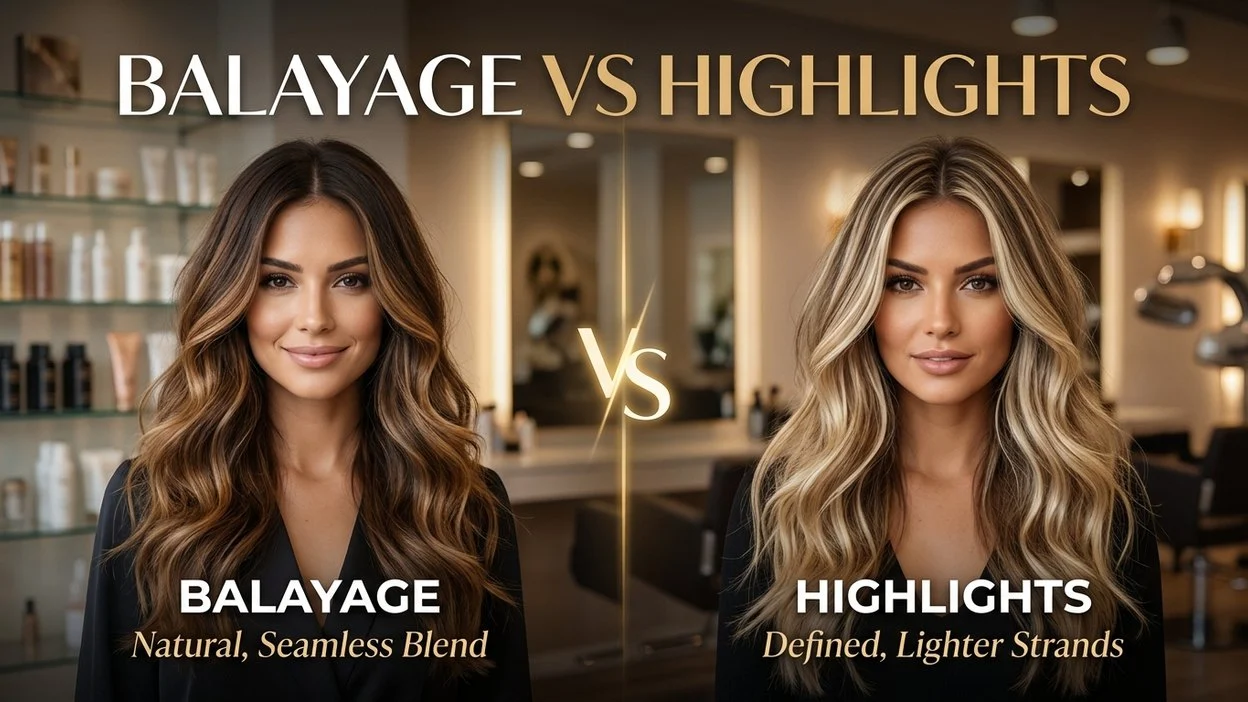
Choosing between balayage and highlights can be confusing, especially if you want to change your hair color without completely dyeing your hair. Both techniques add lighter tones, brightness, and dimension to your natural hair. However, they create different results and require different application methods.
The main difference between balayage vs highlights is how the color is applied. Balayage is a freehand coloring technique that creates soft, natural-looking color transitions, usually with lighter ends. Traditional highlights use foils to lighten selected sections of hair, often creating brighter and more noticeable streaks from the roots to the ends. Both techniques can work with different hair colors, lengths, and textures.
Your choice depends on your preferred appearance, maintenance routine, budget, and hair goals. Understanding how each technique works can help you choose the right hair coloring method for your style.
Quick Answer
Balayage creates soft, blended, sun-kissed highlights using a freehand painting technique. Highlights usually use foils to lighten specific sections of hair from the roots toward the ends. Balayage generally looks more natural and grows out softly, while traditional highlights create brighter, more defined sections of color.
Why Do People Confuse Balayage and Highlights?
People often confuse balayage and highlights because both techniques make hair lighter and add dimension. They can also use similar shades, including blonde, caramel, honey, chocolate, and ash.
However, the application method and final appearance are different.
Balayage focuses on creating a gradual color transition. The colorist paints lightener onto selected sections of hair to create a soft, blended result.
Traditional highlights use foils to separate sections of hair while lightener processes. This method creates more controlled and noticeable lighter pieces.
Another reason for confusion is that some salons combine balayage and foil techniques to create customized hair colors.
First Word: Balayage
Balayage is a French word that means “to sweep” or “to paint.”
In hairstyling, balayage is a freehand hair coloring technique. A hairstylist paints lightener onto selected sections of hair to create a natural-looking blend.
The color is often concentrated around the middle lengths and ends, although the placement depends on the desired style.
Main Features of Balayage
- Creates a soft, natural-looking appearance.
- Uses a freehand painting technique.
- Usually produces a gradual color transition.
- Often leaves some natural color near the roots.
- Creates a sun-kissed effect.
- Typically has a softer grow-out than traditional highlights.
- Can be customized for different hair colors and lengths.
What Does Balayage Look Like?
Balayage often looks like natural sunlight has gradually lightened your hair.
For example, someone with dark brown hair might choose caramel balayage. The stylist paints warm caramel tones through selected sections, creating a beautiful blend from dark roots to lighter ends.
Pin by DivineHair | Tips for Beautifu on HairCare | Brown hair balayage, Hair color balayage, Brunette hair with highlights
25 Stunning Summer Balayage Hair Trends to Try in 2026
Najlepše nijanse pramenova za plavuše – osvežite svoju boju kose! | Mogu Ja To Sama – Svaki ženski trik na samo jedan klik!
9
Second Word: Highlights
Highlights are sections of hair that are lightened to create contrast, brightness, and dimension.
Traditional foil highlights involve separating small sections of hair, applying lightener, and wrapping those sections in foil while the color processes.
Highlights can begin close to the roots and continue toward the ends. The placement and thickness determine whether the result looks subtle or bold.
Main Features of Highlights
- Commonly use foils for sectioning.
- Create brighter and more defined lighter sections.
- Can start close to the roots.
- Provide consistent and controlled color placement.
- Work with blonde, brown, red, and other shades.
- Can create subtle or high-contrast results.
- Usually require more frequent root maintenance when applied close to the scalp.
What Do Highlights Look Like?
Highlights create visible lighter sections throughout the hair.
For example, someone with dark brown hair might choose blonde highlights. The stylist separates sections of hair and lightens them to create noticeable blonde strands.
Marlowe & Ash Colour Studio — hair colour in Sarasota
Épinglé par Charliebilt sur Hair | Cheveux teints, Idée couleur cheveux, Cheveux relooking
Full Head Foil High/Low Lights with Cut and Blow Dry
9
Balayage vs Highlights: Comparison Table
| Feature | Balayage | Highlights |
| Meaning | French technique meaning to sweep or paint | Lighter sections of hair |
| Application | Freehand painting | Usually foil placement |
| Appearance | Soft and blended | More defined and noticeable |
| Color placement | Often focused on mid-lengths and ends | Can start near the roots |
| Roots | Usually softer and darker | Often lighter sections near roots |
| Finish | Natural, sun-kissed look | Brighter, dimensional look |
| Maintenance | Often lower maintenance | Usually needs more frequent root touch-ups |
| Grow-out | Generally softer | More noticeable regrowth |
| Customization | Highly customizable | Highly customizable |
| Best for | Natural-looking color | Defined brightness and contrast |
| Processing | Depends on hair and technique | Depends on hair and technique |
| Cost | Varies by salon and service | Varies by salon and service |
When to Use Balayage
Balayage is a good choice if you want natural-looking color without frequent root touch-ups.
Consider balayage if:
- You prefer a soft, blended appearance.
- You want a sun-kissed hair color.
- You want darker roots with lighter ends.
- You prefer less noticeable regrowth.
- You want a customized hair color.
- You do not want regular full-root highlighting appointments.
Example: If you have dark brown hair and want subtle caramel tones, balayage can create a soft transition without making your entire hairstyle look dramatically different.
When to Use Highlights
Traditional highlights are a good choice if you want brighter, more noticeable sections of lighter hair.
Consider highlights if:
- You want blonde pieces throughout your hair.
- You prefer brighter color near your roots.
- You want a more defined contrast.
- You want consistent lighter sections.
- You prefer a classic highlighted hairstyle.
- You want to brighten your overall hair color.
Example: If you have medium brown hair and want bright blonde strands throughout your hairstyle, foil highlights can help create that look.
12 Examples of Balayage and Highlights
Here are practical examples to help you understand the difference between these two hair coloring techniques.
1. Caramel Balayage on Brown Hair
Caramel balayage adds warm golden-brown tones to dark or medium brown hair. It creates a soft, blended appearance.
2. Blonde Highlights on Brown Hair
Blonde highlights create noticeable lighter strands throughout brown hair. They add brightness and contrast.
3. Honey Blonde Balayage
Honey blonde balayage gives hair a warm, golden appearance. It works beautifully with many brown and dark blonde base colors.
4. Ash Blonde Highlights
Ash blonde highlights create cooler, smoky tones. They can add contrast to dark blonde or light brown hair.
5. Chocolate Brown Balayage
Chocolate balayage adds rich brown tones to darker hair. It creates dimension without requiring a dramatic color change.
6. Platinum Blonde Highlights
Platinum highlights create very light blonde sections. They offer a bold appearance and may require additional toning and maintenance.
7. Face-Framing Balayage
Face-framing balayage places lighter tones around the front of the hair. It helps brighten the appearance around the face.
8. Full-Head Highlights
Full-head highlights lighten multiple sections across the entire head. They create an overall brighter appearance.
9. Partial Highlights
Partial highlights focus on selected areas, such as the top and front sections of the hair. They offer a more subtle color change.
10. Blonde Balayage on Long Hair
Blonde balayage creates a gradual transition from darker roots to lighter lengths and ends. It looks especially dimensional on long, layered hairstyles.
11. Copper Balayage
Copper balayage adds warm reddish-orange tones to brown or dark blonde hair. It creates a rich and vibrant finish.
12. Beige Blonde Highlights
Beige blonde highlights add neutral blonde sections throughout the hair. They can create a balanced look without extremely warm or cool tones.
Common Mistakes When Choosing Balayage vs Highlights
Mistake 1: Thinking Balayage and Highlights Are the Same
Both techniques lighten hair, but they use different application methods and create different effects.
Mistake 2: Assuming Balayage Never Needs Maintenance
Balayage usually has softer regrowth, but it still needs care. Toning, refreshing the color, and trimming damaged ends may be necessary.
Mistake 3: Thinking Highlights Always Look Unnatural
Highlights can look soft and natural when the stylist chooses suitable shades and places them carefully.
Mistake 4: Choosing a Color Without Considering Your Base Hair
Not every blonde or caramel shade works equally well with every natural hair color. Your starting shade, hair condition, and desired result matter.
Mistake 5: Ignoring Hair Damage
Both balayage and highlights may involve bleaching or lightening products. Excessive chemical processing can cause dryness and breakage.
Mistake 6: Expecting the Same Results From Every Salon
The final appearance depends on the hairstylist’s technique, your hair history, the products used, and your desired color.
Memory Trick: How to Remember the Difference
Use this simple memory trick:
Balayage = Brush and Blend
Think of a stylist painting color onto selected sections of hair to create a soft, natural transition.
Highlights = Foils and Brightness
Think of lighter hair sections separated with foils to create visible brightness and contrast.
Remember:
- Balayage = Soft, blended, sun-kissed color.
- Highlights = Defined, brighter sections of hair.
American vs British English
The words balayage and highlights are understood in both American and British English.
There is no major spelling difference between the two terms.
However, salon terminology can vary slightly:
- In American English, people commonly say “foil highlights,” “full highlights,” and “partial highlights.
- In British English, people also use “highlights,” “full-head highlights,” and “half-head highlights.”
- Balayage is commonly used in both countries to describe the freehand painting technique.
Both terms refer to similar hair coloring services in American and British salons.
Similar Words
Here are some related hair coloring terms that are useful to understand.
- Babylights: Very fine, delicate highlights that create a subtle and natural-looking effect.
- Lowlights: Darker sections added to hair to create depth and contrast.
- Ombre: A coloring technique that creates a gradual transition from one color to another, often from darker roots to lighter ends.
- Sombre: A softer and more subtle version of ombre.
- Foilyage: A technique that combines balayage-style placement with foils to help achieve additional lightness.
- Root Shadow: A technique that keeps or adds a darker color near the roots to create a blended transition.
- Money Piece: Lighter sections placed around the front of the hair to frame the face.
- Full Highlights: A highlighting service that places lighter sections throughout the head.
- Partial Highlights: A highlighting service that focuses on selected sections of the hair.
Final Verdict: Balayage vs Highlights
The main difference between balayage and highlights is the application technique and final appearance.
Balayage is best for people who want soft, natural-looking color with blended transitions and generally less noticeable root regrowth.
Highlights are ideal for people who want brighter, more defined lighter sections throughout their hair, especially when they want noticeable blonde pieces near the roots.
Neither technique is universally better. The right option depends on your hair color, preferred appearance, maintenance routine, and budget.
FAQs:
1. Is balayage better than highlights?
Balayage may be better if you prefer natural-looking color and softer regrowth. Highlights may be better if you want brighter, more defined sections of lighter hair. The best choice depends on your desired hairstyle.
2. Which lasts longer, balayage or highlights?
Balayage often looks good for longer between maintenance appointments because it creates a softer transition near the roots. Highlights may need more frequent touch-ups when they start close to the scalp.
3. Is balayage more expensive than highlights?
Balayage can sometimes cost more because it involves customized color placement and detailed application. However, prices depend on the salon, stylist, hair length, and amount of work required.
4. Does balayage damage hair less than highlights?
Neither technique is automatically less damaging. Both may require bleach or other lightening products. Hair damage depends on the products, processing time, starting hair condition, and stylist’s technique.
5. Can you get balayage on dark hair?
Yes. Balayage works on dark brown and black hair. Popular choices include caramel, chocolate, honey, and warm blonde tones. The final result depends on your natural color and how much lightening your hair can safely handle.
6. Do highlights look more noticeable than balayage?
Traditional foil highlights usually create more defined and noticeable lighter sections. Balayage generally creates a softer, more blended appearance.
7. Can you combine balayage and highlights?
Yes. Many hairstylists combine balayage and foil highlights to create customized color. This approach can provide both soft blending and additional brightness where needed.
Remember This
Balayage = Freehand painting, soft blending, and natural-looking color.
Highlights = Lighter sections, commonly applied with foils, and more defined brightness.
Choose balayage for a sun-kissed appearance and highlights for a brighter, more noticeable color effect.
Conclusion:
Balayage and highlights are two popular hair coloring techniques that add brightness, depth, and dimension. Although they can produce similar colors, their application methods and final results are different. Balayage uses freehand painting to create soft transitions, while traditional highlights commonly use foils to create defined lighter sections.
Before choosing between balayage vs highlights, consider your natural hair color, desired result, budget, and maintenance preferences. A professional hairstylist can examine your hair condition and recommend a suitable technique. Both options can create beautiful results when the color and application method match your hair goals.
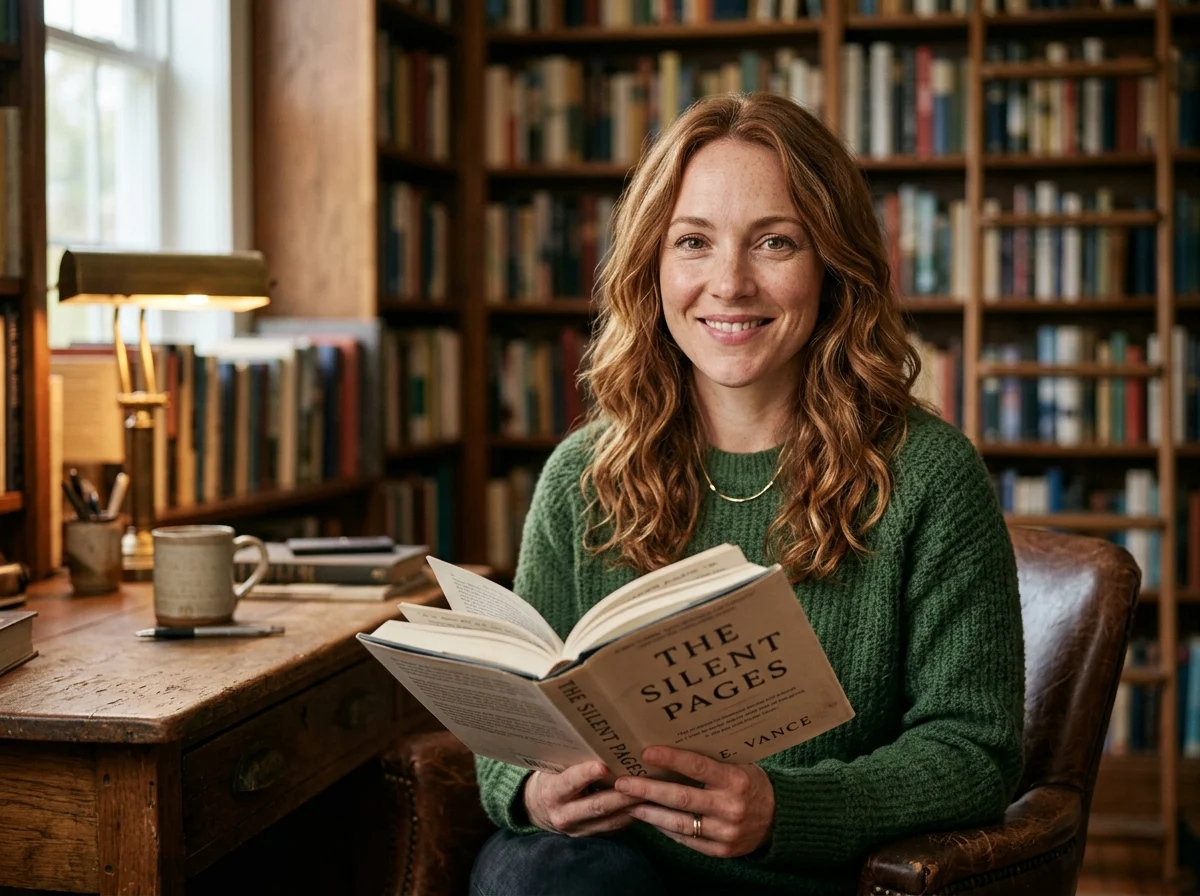
Delaney Brooks is a contemporary author celebrated for heartfelt fiction, vivid storytelling, and relatable characters. Her engaging novels inspire readers through emotional depth, creativity, resilience, and memorable literary journeys.